
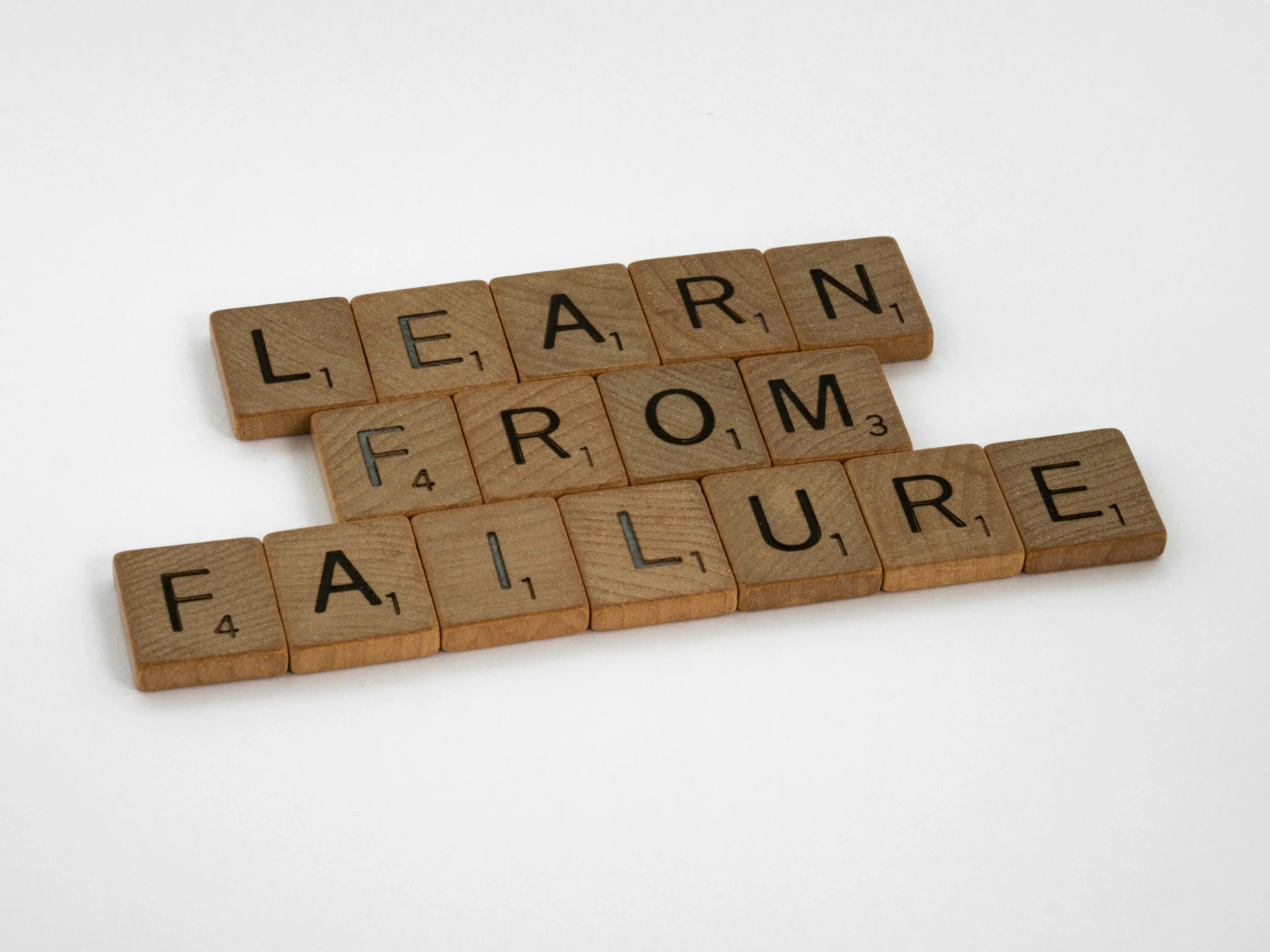
Few things are more discouraging than failure. Most of us know what it feels like to make mistakes, disappoint others, and fall short of what God expects of us. Sometimes we fail so badly that we feel like quitting altogether.
That is why the story of Peter in John 21 is so encouraging.
Peter was one of the Lord's closest disciples. He was part of the inner circle of the inner circle. Yet Peter was a man of extremes. One moment he was bold and courageous, and the next he was weak and afraid. He could be on fire for the Lord one day and struggling the next. He often exceeded expectations, yet at other times he failed miserably.
By the time we come to John 21, Jesus has already been crucified and resurrected. The events of Gethsemane are behind them. Peter's denial is behind them. The disciples fleeing from Jesus is behind them. The Lord has already appeared as the resurrected Savior.
Yet, Peter is still struggling.
Instead of leading, Peter says, "I am going fishing." He returns to the familiar. He returns to the old life. He seems discouraged and defeated.
Then Jesus comes looking for him.
In one of the most touching scenes in the Gospel of John, Jesus teaches Peter four lessons that every Christian needs to learn.
Past Failures Can Be Forgiven, So Don't Quit
Three times Jesus asks Peter, "Do you love Me?" Three times Peter answers. With each question Peter is reminded of his three denials.
Peter knew he had failed.
He could have stood by the Lord. He could have defended Him. He could have owned his relationship with Christ. Instead, he denied Him.
How easy it would have been for Peter to conclude that he was worthless and that there was no place left for him in God's kingdom.
But Jesus did not tell Peter to quit.
Instead, He told him, "Feed My sheep."
What an amazing statement. Jesus was saying, "Yes, Peter, you failed. Yes, you made mistakes. But I still have work for you to do."
The Bible is full of people like Peter.
Noah survived the flood but later became drunk.
Abraham, the father of the faithful, lied about his wife.
Moses killed an Egyptian and later dishonored God in a moment of anger.
David was a man after God's own heart, yet he committed adultery and murder.
Elijah became discouraged and wanted to give up.
Jonah ran from God's calling and struggled with bitterness.
John Mark quit during a missionary journey but later became useful in the kingdom and wrote the Gospel of Mark.
The lesson is clear. God's people are not perfect people.
If perfection were required, there would be no preachers, no elders, no Bible teachers, and no church.
The difference is that Peter repented. He was grieved over his sin. He understood his failure and turned back to the Lord.
Jesus basically told him, "Put your failure behind you. Feed My sheep."
That is a message that many Christians need to hear. We are going to make mistakes. We are going to fall short. We are going to have moments of weakness. But there is hope for those who repent.
One of Satan's greatest tools is despair. He wants us to believe that our failures disqualify us. But Jesus reminds us that forgiven people can still serve Him.
Like Peter, we must get back up and continue following Christ.
Be Submissive to the Lord Because You Do Not Know the Future
After talking about Peter's past, Jesus begins talking about Peter's future.
He tells Peter that while he is young he can go where he wishes and do what he wants. But a day is coming when others will lead him where he does not want to go.
Jesus was speaking about Peter's death and how he would one day glorify God through it.
Peter could not see his future. Neither can we.
That is why Christians must learn submission.
James reminds us that life is a vapor. We do not know what tomorrow will bring. We make plans, establish goals, and imagine what our future will look like, but ultimately the future belongs to God.
Most of us can look back five years and realize our lives are very different from what we expected. Circumstances changed. Opportunities changed. Health changed. Relationships changed.
The Lord was teaching Peter that he was not the master of his fate or the captain of his soul. God held his future in His hands.
The same is true for us.
A faithful Christian learns to say, "If the Lord wills, we shall live and do this or that."
When we surrender our plans to God, we discover that His wisdom is far greater than our own.
Don't Compare Your Obedience to Others
After hearing about his future, Peter noticed John standing nearby and immediately asked, "Lord, what about this man?"
How human that response is.
Peter wanted to know whether John's path would be easier than his own.
Jesus answered with remarkable simplicity: "What is that to thee? Follow thou Me."
In other words, "Peter, mind your own business."
Too often we compare ourselves to others. We compare abilities, opportunities, successes, struggles, and responsibilities.
We wonder why someone else appears to have it easier. We become discouraged when others seem more successful. We become frustrated when others do not appear to be carrying their share of the load.
But obedience is an individual matter.
Jesus did not call Peter to manage John's life. He called Peter to follow Him.
One of the greatest mistakes Christians make is measuring themselves against other Christians. Comparisons create discouragement, pride, resentment, and competition.
Our responsibility is not to inspect everyone else's fruit. Our responsibility is to bear fruit ourselves.
The Lord's message remains the same today: "You follow Me."
Do Right Anyway
The final lesson is simple but powerful.
People may disappoint you. They may misunderstand you. They may treat you unfairly. Life may not seem fair.
Do right anyway.
Peter eventually became the faithful servant Jesus knew he could be. The man who once denied his Lord later stood boldly for Him. The disciple who once failed under pressure ultimately glorified God through his life and death.
That transformation happened because Peter refused to stay in failure.
John 21 reminds us that our mistakes do not have to define us. God's grace is greater than our failures.
When we fail, we must remember Peter's four lessons: past failures can be forgiven, the future belongs to God, obedience is personal, and faithfulness matters no matter what others do.
If Jesus could still use Peter after his failure, He can still use us.
So when you fail, don't quit. Repent, trust, follow, and keep serving. God still has work for you to do.